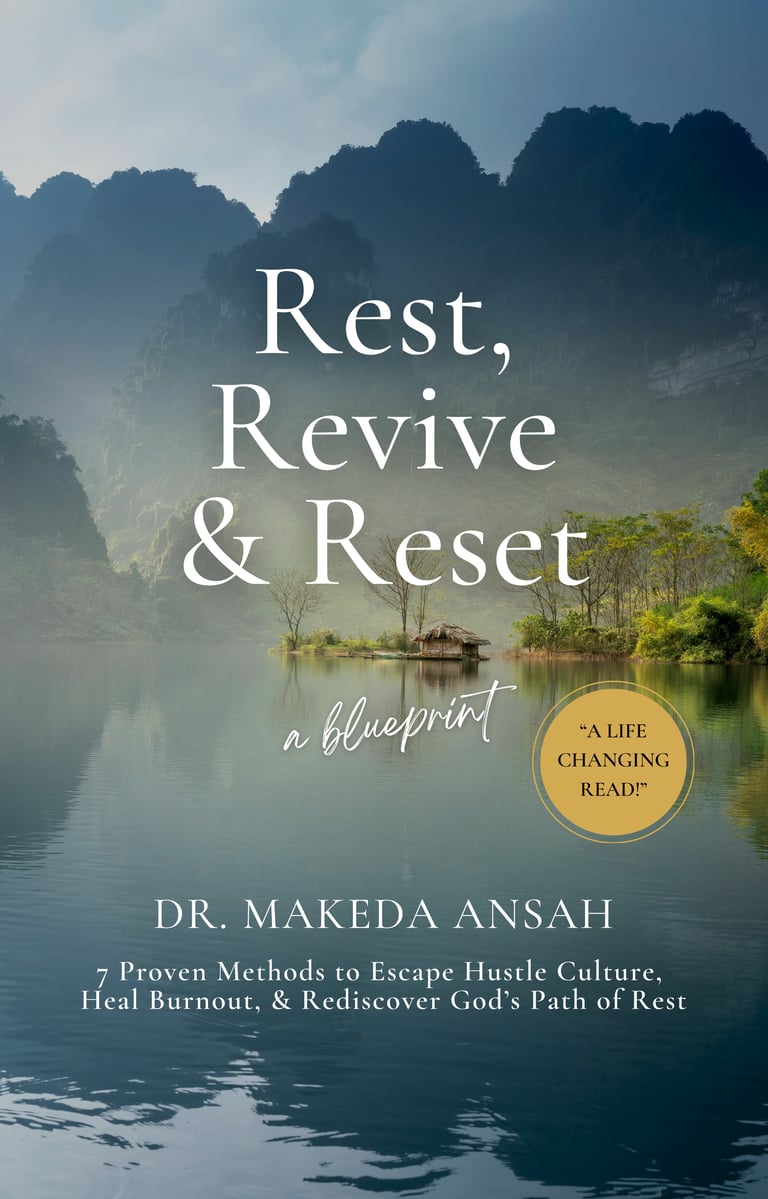
New Arrival!! Check Out Our Store To Order Your Copy of "Rest, Revive, Reset Now!
Find Rest for Your Soul: Learn How To Unplug from Hustle Culture and Overcoming Burnout
A biblical guide to unplug from hustle culture, heal burnout at the root, restore soul peace, renew identity, and walk in God-led rest and lasting purpose.
Dr. Makeda Ansah
12/29/20257 min read


Understanding Hustle Culture and Its Effects
Hustle culture is a societal phenomenon that promotes the idea of relentless work and constant productivity, often glorifying individuals who are willing to sacrifice their personal lives for professional success. Emerging primarily in the late 20th century, it has been fueled by the rise of technology and social media, creating an environment where individuals feel compelled to showcase their achievements and stay perpetually busy. The relentless nature of this culture has significant implications on both mental and physical well-being.
As the lines between work and personal life blur, many individuals find themselves trapped in a cycle of overcommitment and chronic stress. The expectation to be 'always on' leads to a pervasive sense of guilt whenever one is not working. People are continually bombarded with messages that equate self-worth with productivity, causing an overwhelming pressure to constantly strive for more. This mindset not only fosters anxiety but can also lead to severe burnout.
Burnout is characterized by emotional exhaustion, depersonalization, and a diminished sense of accomplishment. Research indicates that prolonged exposure to hustle culture significantly contributes to mental health issues such as depression and anxiety disorders. On a physical level, the effects can manifest as sleep disturbances, chronic fatigue, and a compromised immune system. The impact of these effects on overall health can be considerable, leading to long-term complications if left unaddressed.
Recognizing the attributes of hustle culture is the first step toward mitigating its effects and fostering a healthier work-life balance. By understanding the societal pressures that encourage individuals to work incessantly, one can begin to seek a more sustainable lifestyle that prioritizes both productivity and wellbeing. In overcoming the challenges posed by hustle culture, individuals may reclaim their time, energy, and ultimately, their joy.
The Importance of Unplugging: Why We Need to Take a Step Back
In today’s hyper-connected world, the concept of unplugging has never been more crucial. The pressure to be constantly available and productive can lead to a detrimental cycle of hustle culture, affecting our mental and physical well-being. This incessant connectivity not only heightens stress levels but also diminishes our cognitive function, making it increasingly difficult to focus and engage creatively in our work.
Taking regular breaks and stepping away from technology is essential for restoring balance in our lives. Research shows that individuals who frequently unplug from their work and digital devices experience significant improvements in their emotional health. By dedicating time to recharge, we allow our brains to reset, ultimately enhancing our overall productivity. It is during these moments of disengagement that inspiration often strikes, bringing forth fresh ideas and innovative solutions that would otherwise remain dormant amidst the chaos of constant connectivity.
Furthermore, unplugging fosters deeper connections with loved ones and encourages mindfulness. When we detach ourselves from our screens, we open up opportunities to engage in meaningful conversations and experiences that enrich our lives. The benefits of stepping away from the hustle are undeniable. Improved focus, heightened creativity, and a clearer state of mind are just a few advantages that come with this intentional pause.
To cultivate a healthier lifestyle, it is important to create boundaries around work and technology usage. Implementing regular digital detox times can help mitigate the overwhelming effects of hustle culture. By acknowledging the need for periods of rest, we can support our mental well-being and overall happiness, leading us towards a more fulfilling and balanced existence.
Introducing the 7 Proven Methods to Heal Burnout
In the fast-paced environment of modern life, many individuals find themselves trapped in the relentless grind of hustle culture, often resulting in significant emotional and physical exhaustion. To combat this widespread issue, we present seven practical methods designed to facilitate healing from burnout and promote a more balanced lifestyle. These methods emphasize simplicity and effectiveness, enabling readers to easily implement them in their daily routines.
The Divine Rest Blueprint
A call to intentional, God-modeled rest that restores the soul and quiets striving.The Boundary Blueprint
A guide to guarding the heart, reclaiming peace, and saying no with spiritual wisdom.The Soul Revival Blueprint
A pathway to renew spirit and revive the inner life through biblical truth.The Anointing Blueprint
An invitation to walk in spiritual empowerment and restored sensitivity to God.The Sacred Sabbatical Blueprint
A sacred pause from noise and overstimulation, creating space for divine healing.The Divine Connection Blueprint
A method for choosing relationships that strengthen character and align purpose.The Power of Prayer Blueprint
A return to God through secret, earnest, and continuous prayer that resets life, by integrating these seven methods into daily life, individuals can actively work towards unplugging from hustle culture and finding rest for their soul. Each method offers a feasible path to enhance well-being and reduce the symptoms associated with burnout.
Method 1: Creating Boundaries with Work
Establishing clear boundaries with work is an essential step towards overcoming burnout and achieving a balanced life. The relentless hustle culture often blurs the lines between professional and personal responsibilities, leading to chronic stress and fatigue. To combat this phenomenon, individuals must actively practice setting boundaries that allow them to manage their time effectively and maintain their well-being.
One effective strategy for creating boundaries is learning to say 'no.' Many individuals feel pressured to accept every task or project that comes their way, fearing that refusal may reflect poorly on their work ethic. However, it is vital to recognize one’s limits and prioritize tasks based on urgency and importance. Prioritizing involves evaluating which responsibilities align with one’s professional objectives and personal values. By focusing on high-impact tasks, individuals can devote their time and energy towards what truly matters.
Moreover, effective time management is crucial in establishing boundaries. Allocating specific time slots for work and leisure activities can help create a healthier balance. Using techniques such as the Pomodoro Technique—where one works in timed intervals followed by short breaks—can also enhance productivity while reducing burnout risks. Additionally, designating specific hours for work and ensuring that personal time is respected goes a long way in fostering a clear separation between the two realms.
Implementing these strategies not only helps individuals manage their workload but also empowers them to reclaim their time for restorative activities. Awareness of one’s limits, paired with the ability to assertively communicate boundaries, fosters a more sustainable work-life dynamic. Ultimately, setting boundaries creates space for relaxation and self-care, leading to a rejuvenated spirit and a more fulfilled life.
Embracing Mindfulness and Meditation
As the relentless pace of modern living escalates, many individuals find themselves overwhelmed by stress and anxiety, leading to burnout. To combat this pervasive issue, embracing mindfulness and meditation has emerged as an effective method for those seeking relief. Mindfulness, a practice rooted in ancient traditions, involves maintaining a moment-by-moment awareness of our thoughts, emotions, and surroundings. By focusing on the present, individuals can cultivate a deeper connection to their inner selves, facilitating a sense of calm amid chaos.
Scientific studies have highlighted the neurological benefits of mindfulness and meditation, demonstrating that these practices can lead to reduced stress levels, improved emotional regulation, and heightened cognitive function. Neuroimaging research indicates that regular mindfulness practice alters brain regions associated with anxiety and self-awareness, making it a valuable tool for achieving mental clarity.
Incorporating mindfulness and meditation into daily routines does not have to be daunting. Simple techniques, such as mindful breathing, involve concentrating on the breath, noting sensations as you inhale and exhale. This practice can be executed in as little as five minutes and can be seamlessly integrated into any schedule, whether during a morning commute or a lunch break. Additionally, guided meditation resources, available through apps and online platforms, provide accessible and structured approaches to meditation for both beginners and those more experienced.
Moreover, engaging in mindfulness can extend beyond meditation. Activities such as mindful eating, where one savors each bite and acknowledges flavors and textures, can enhance the overall experience of meals while promoting a healthier relationship with food. By actively participating in life’s moments, we can gradually mitigate feelings of burnout and restore balance to our lives.
Choosing Rest and Play
The fast-paced nature of modern life often leads individuals to neglect the essential components of rest and play, which are crucial for rejuvenating the spirit and overall well-being. In today's hustle culture, where productivity is often prioritized, it is important to recognize the value of leisure activities and the positive impact they have on mental and physical health. Engaging in hobbies or simply taking time to do nothing can significantly reduce stress levels and enhance creativity.
One effective way to incorporate rest into daily life is by deliberately setting aside specific times dedicated to leisure activities. This could be as simple as reading a book, taking a leisurely walk in nature, or practicing a favorite hobby. Activities that bring joy and relaxation can help alleviate feelings of burnout and restore a sense of balance. For instance, pursuing creative projects such as painting or crafting not only fosters a sense of accomplishment but also serves as an excellent outlet for self-expression.
Moreover, playfulness should not be overlooked. Embracing a childlike sense of wonder can reignite passion in life. Simple games, whether board games with friends or outdoor sports, can enhance social connections and stimulate joy. Even activities that seem frivolous, like dancing around the house or participating in playful sports, contribute to emotional well-being. It is essential to remember that engaging in these activities is not just about indulging in leisure; it is about cultivating a mindset that emphasizes the importance of joy as a vital component of life.
Ultimately, when individuals prioritize rest and play, they not only recharge their mental resources but also foster a healthier relationship with their overall lifestyle. This conscious choice to embrace leisure can dramatically improve one’s outlook, making it essential in the journey toward overcoming burnout.
Where to Find the Book and Experience the Rewards
In the quest for personal reprieve from hustle culture, many have found a guiding light in the pages of insightful books dedicated to the theme of rest and recovery. One such text that addresses these vital concepts is readily available through various platforms. To acquire a copy, interested readers can explore options such as local bookstores, online retailers like Amazon, or even digital platforms that offer eBooks. Each of these avenues ensures easy access to the teachings that encourage individuals to disengage from the relentless pace of modern life.
Alongside purchasing the book, readers can look forward to the transformative rewards that arise from adopting its principles. Engaging with the content not only equips individuals with knowledge but also fosters a new mindset geared towards prioritizing well-being. Many who have immersed themselves in this literature report a profound sense of clarity and purpose, enabling them to navigate their personal and professional lives with renewed focus.
Additionally, joining online forums or local discussion groups centered around this book can provide further support and encouragement. These platforms allow for shared experiences that can deepen one's understanding of the material. Participants often report a communal sense of healing as they share their journeys toward overcoming burnout and re-engaging with life more holistically. Essentially, committing to these practices promotes not just self-discovery but also opportunities for connection.
In conclusion, taking the first step towards healing and rest is as simple as picking up this impactful book. Through its pages, one can find a wealth of knowledge that promotes an essential pause from life’s bustle, offering pathways to restore balance and peace.